

The second largest city in France is Lyon. It sits at the confluence of the Rhone and Saone Rivers and is home to more than half a million people.
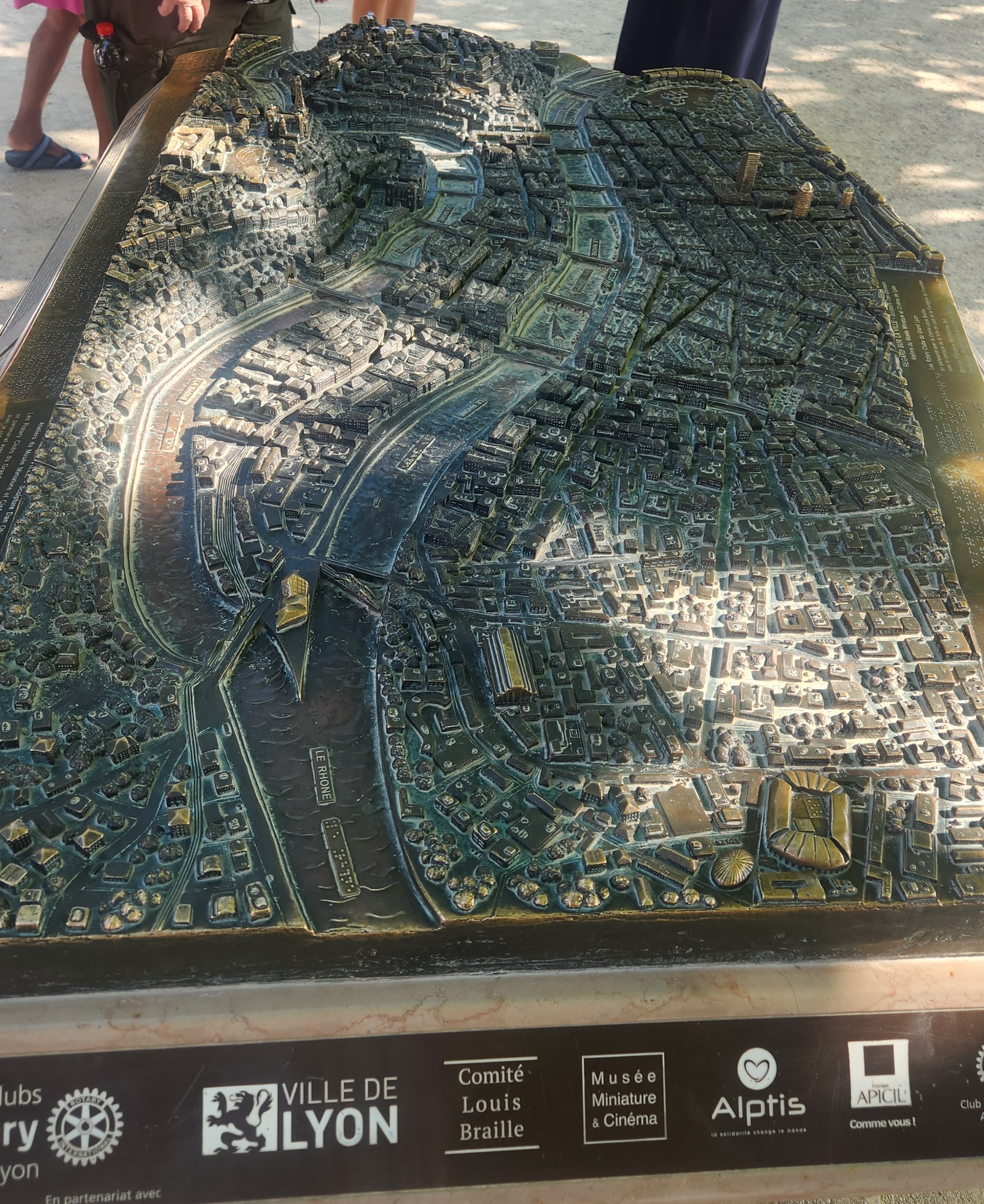
Like most old European cities, it has grown significantly from its humble beginnings, but retains its historic roots in its old town. Lyon’s original borders are hard to find, but the portion of the city that boasts buildings over a thousand years old and cobblestone streets still blocked to most traffic is called “Vieux Lyon.”
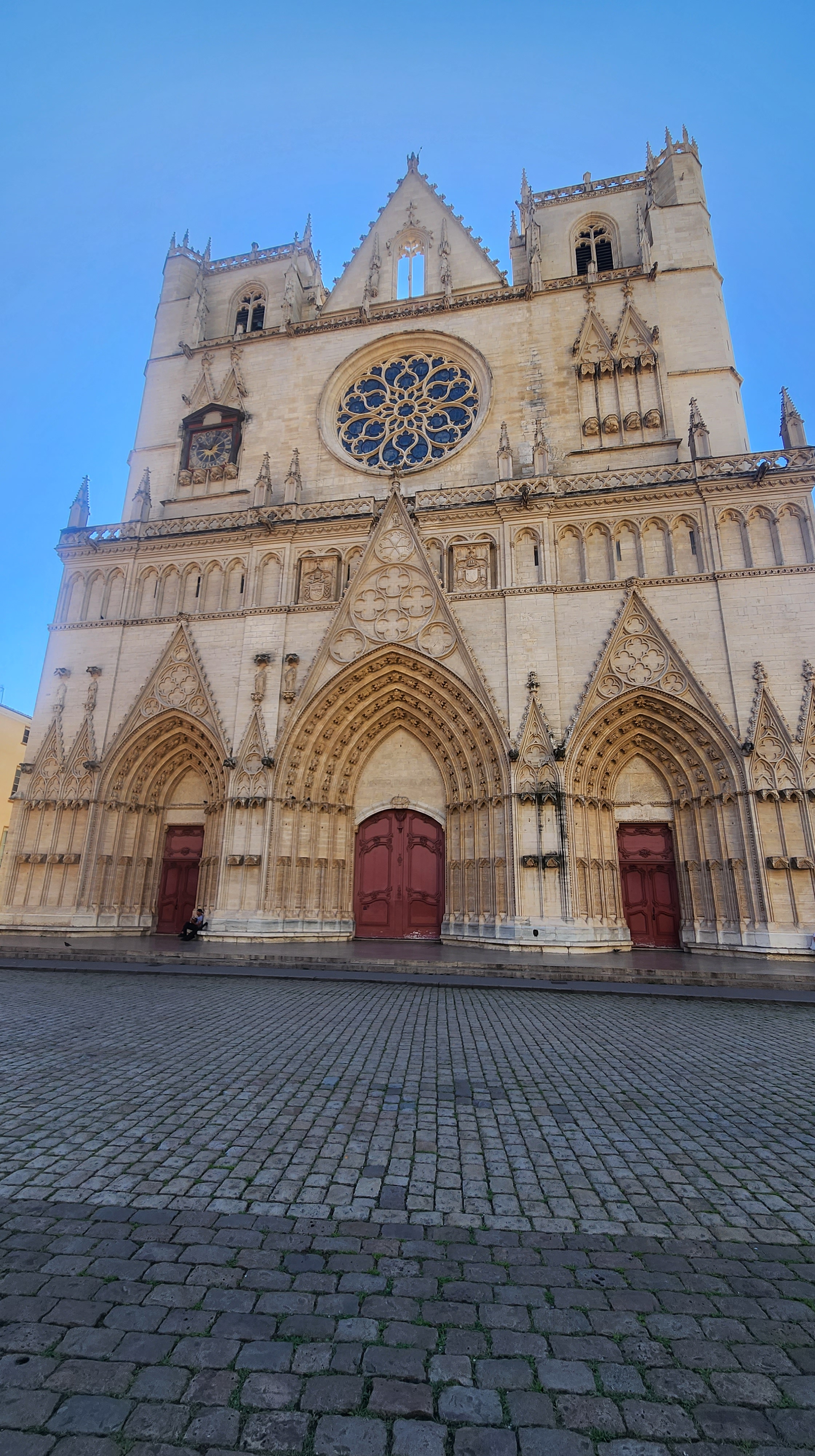
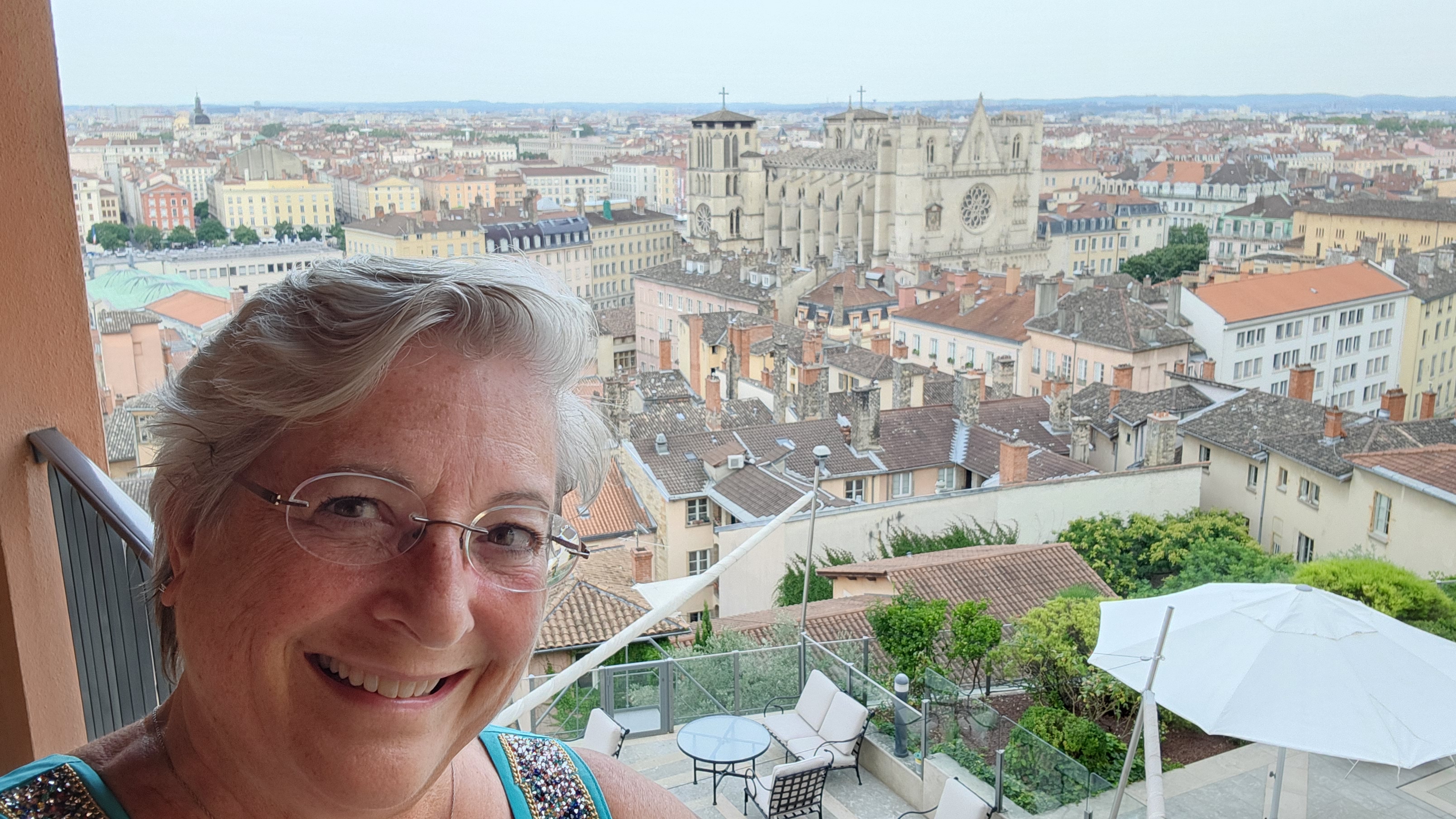
The charm and intrigue of Vieux Lyon called out to me as I was considering where to go for my “V” trip. It is compact and easy to explore (or so I thought). I found a hotel that was converted from a convent into a five-star property and booked three nights. As we stepped out onto our balcony, we marveled at the view of the entire city below us.
I did a bit of research before the trip and knew I should track down a guide to show us the traboules. These secret passageways date into the 13th century. The story goes that the silk merchants and workers needed shortcuts to move merchandise so they used the alleyways between buildings. Eventually, the residents connected the buildings to add apartments over the alleys and closed off the ends with doors, but the passageways remained and are still used today.

Speaking of silk merchants, Lyon was originally the center of Europe’s silk trade. Today, a sole manufacturer still spins silk “Made in France.” We were lucky enough to have a private lesson in silkworms, their lifespans and how their cocoons are turned into silk. Of course I picked up a scarf while Greg opted for a new pocket square.

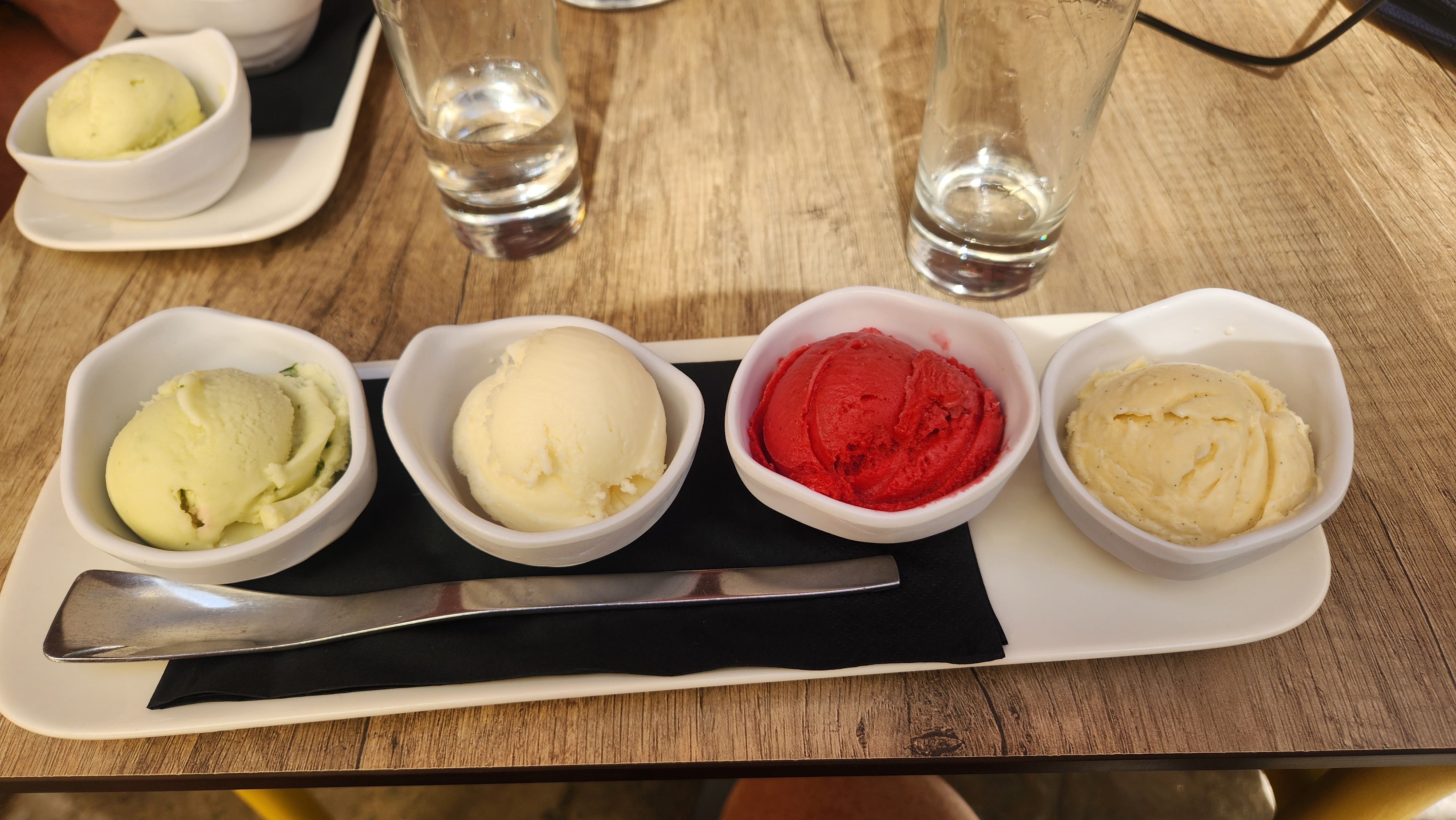
We wandered the cobblestone streets of the old town, took the funicular up to the Basilica and lingered in sidewalk cafes sipping wine and sampling glace (French ice cream).
We visited a bakery to find out what the delicious red-colored pastries were all about. It turns out they are praline pastries, but unlike southern pecan pralines, these are made with almonds. We sampled the delights and swooned over the spectacular flavors.
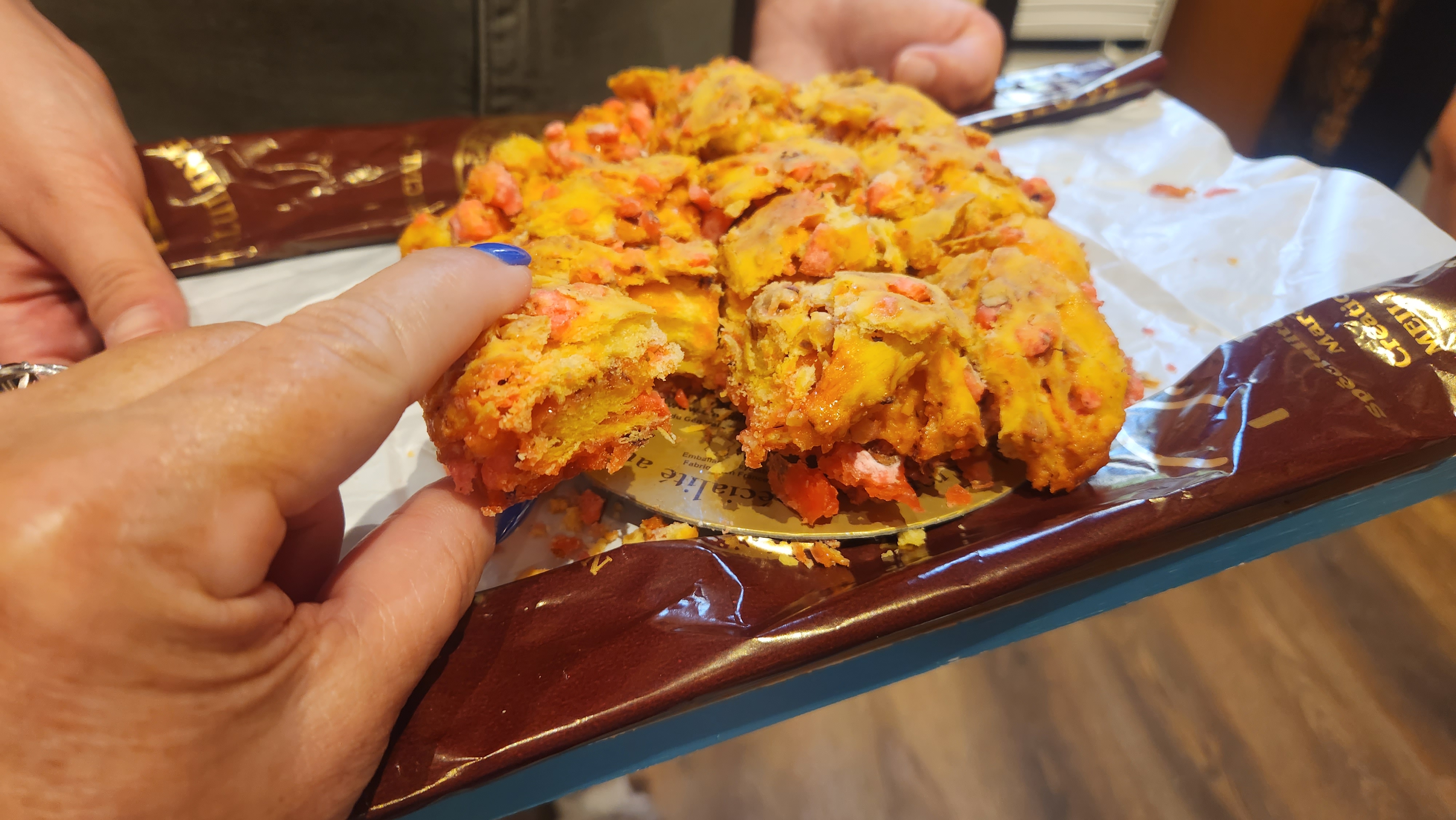
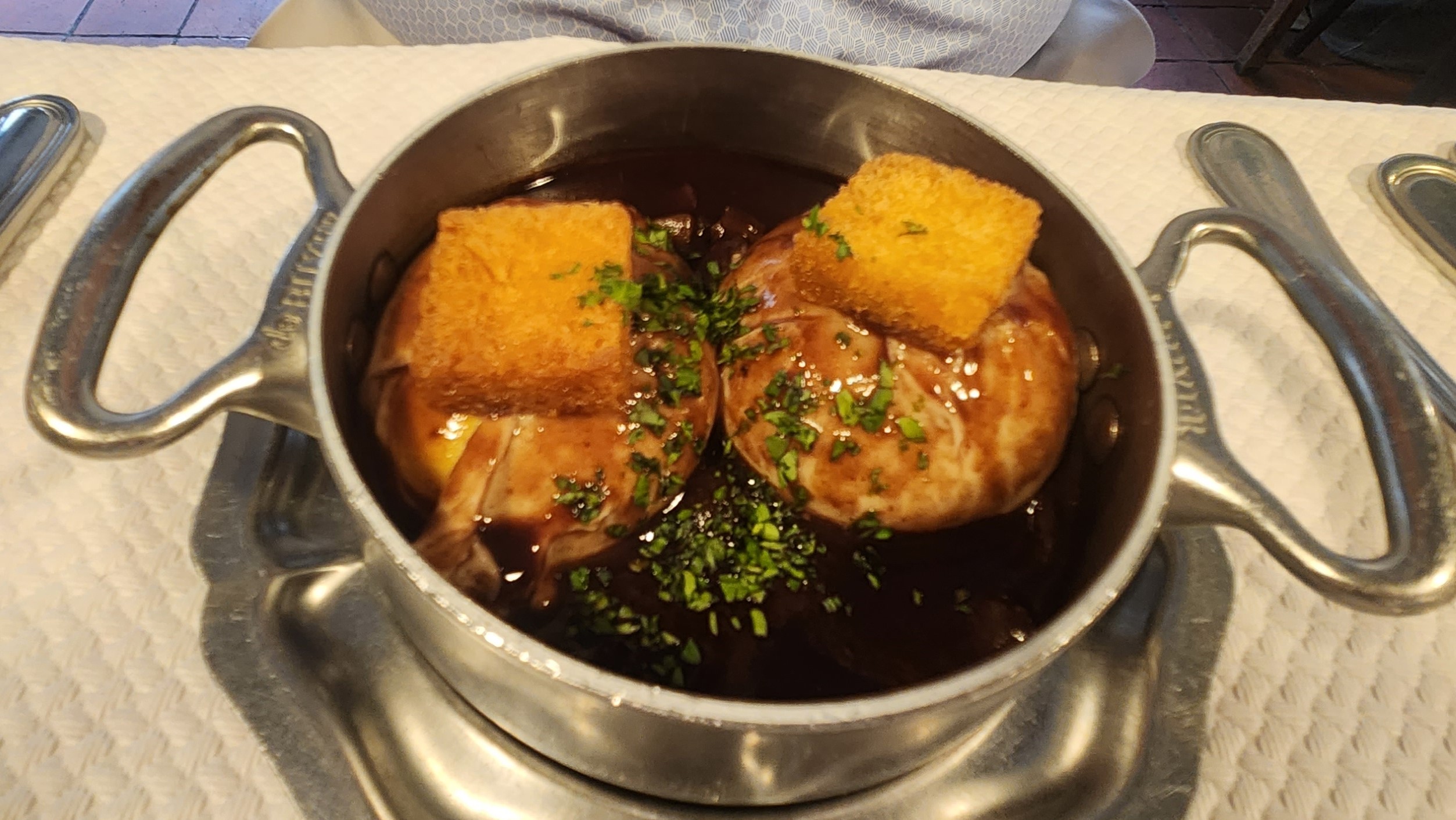
It’s not just the pastries that left our mouths watering. French food is as rich and decadent as you’ve always heard. But in Lyon, they are proud of their classic Gallic recipes that are made with farm fresh ingredients. We managed to get a reservation at one of Lyon’s prized boucheries for our last night.
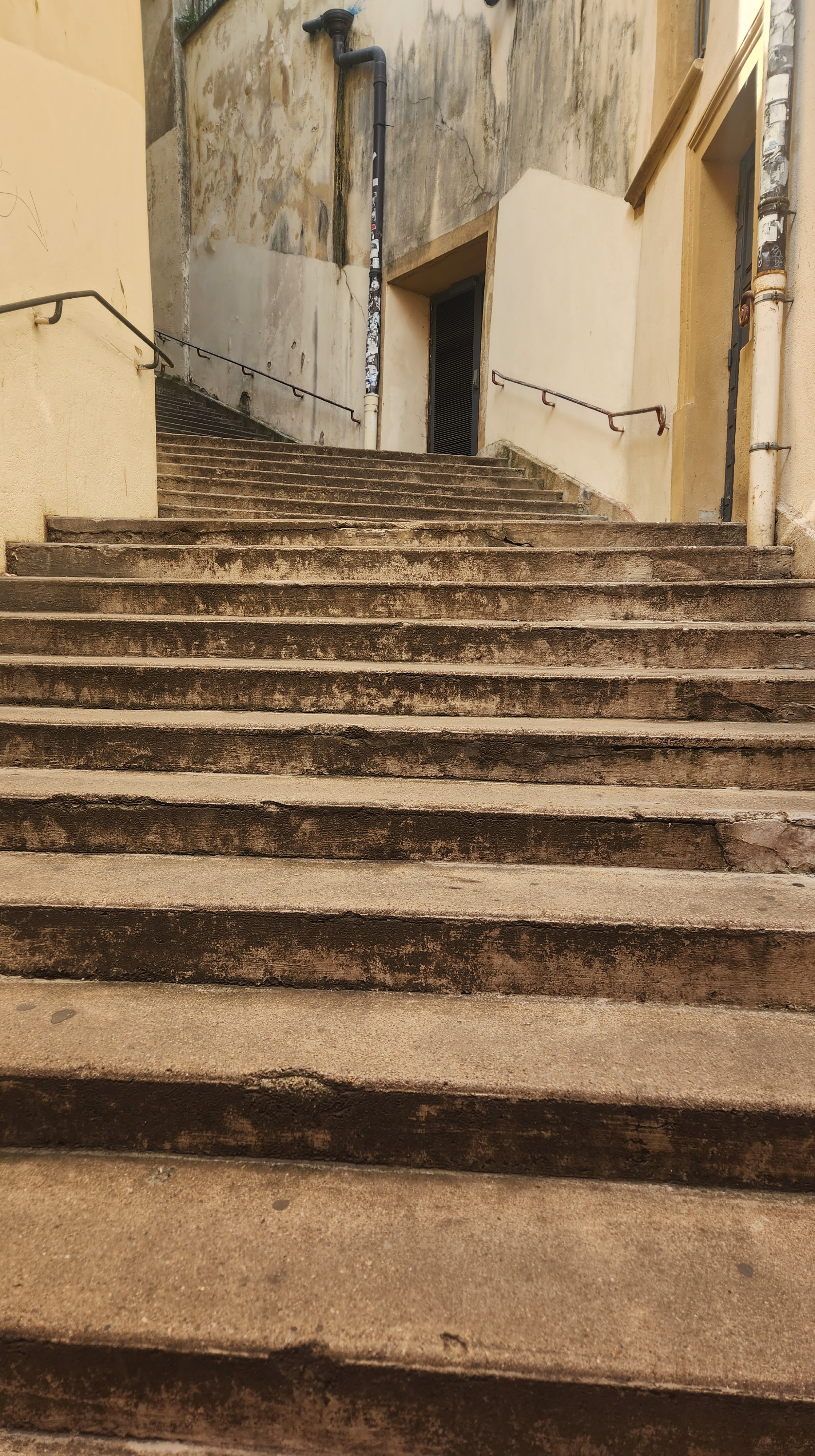
With all that rich French food in our bellies, we opted to climb the 232 steps back up to our hotel. As we gasped at the locals blithely passing us by, we vowed to get in better shape when we got back home.
With our visit coming to an end, we packed our bags and arranged for a car to take us to the train in the morning. It had been an incredible visit and Vieux Lyon easily secured a spot on the list of places we would love to return to. But first, we need to hit that stair climber in the gym!
There’s a whole world out there just waiting to be explored. Vieux Lyon’s secret passageways and old world charm may be right up your alley.
© The World A to Z, LLC 2023 — Unless otherwise indicated, no compensation was received for this blog.

 The World A to Z
I thought Marseille was France’s second largest city. It has 870,321 inhabitants according to Wikipedia. Anyway, it was an interesting travel story and great photos.
LikeLike
Lyon is larger by size, but smaller in population than Marseilles
LikeLiked by 1 person
I see
LikeLike